Skip to content
Back
Dr.-Ing. Adnan Wahhoud

Dr.-Ing. Adnan Wahhoud

Textile technologist · Inventor · Founder of the Medical Points

Born in Damascus, at home in Lindau — he unites Syrian roots with German engineering, devoting both to innovation and humanitarian aid.

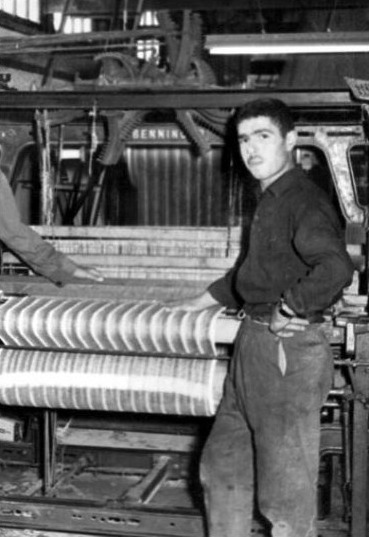
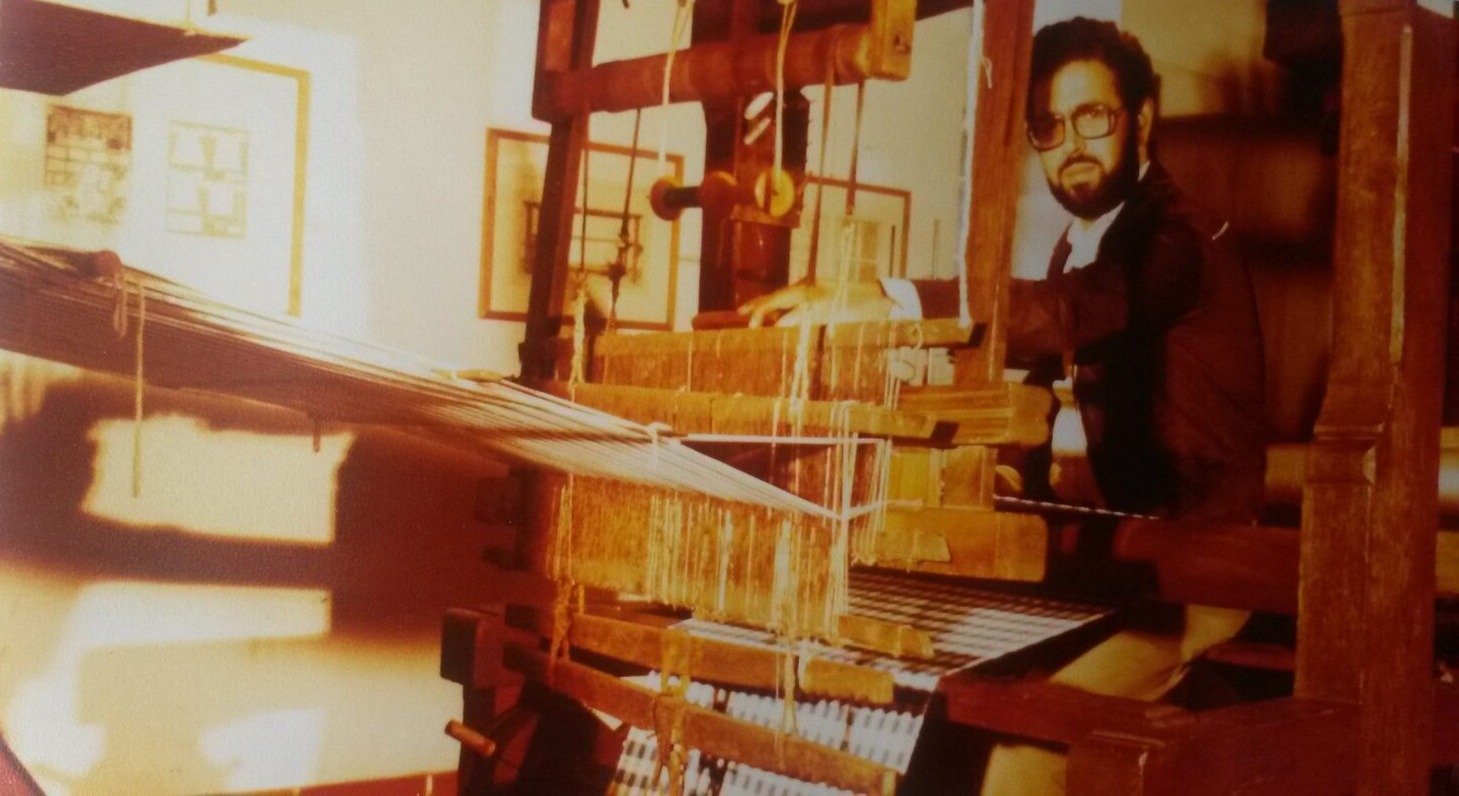
Adnan Wahhoud at the traditional wooden loom — his father’s craft shaped his childhood.
1951 — 1971

Damascus

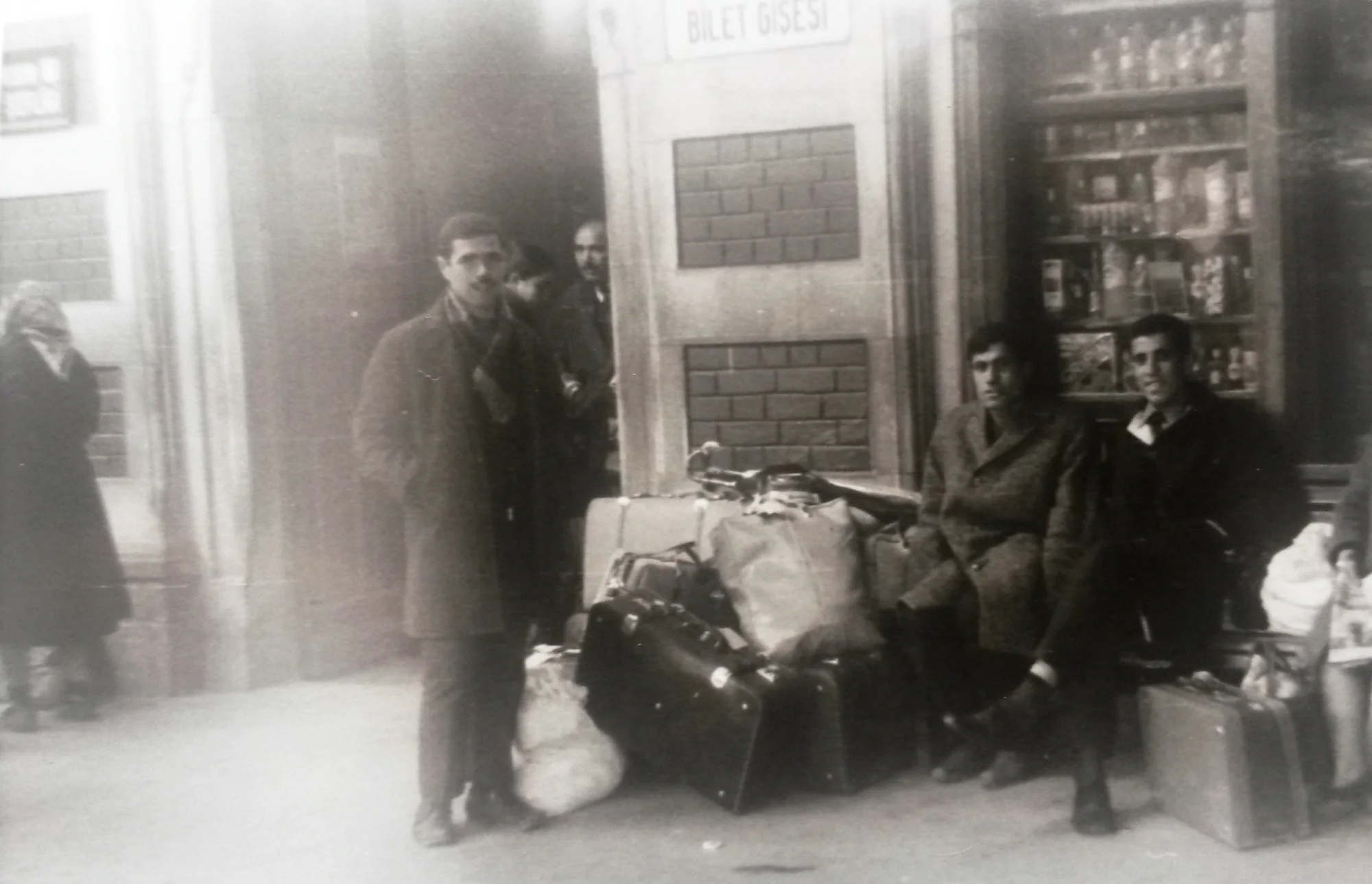
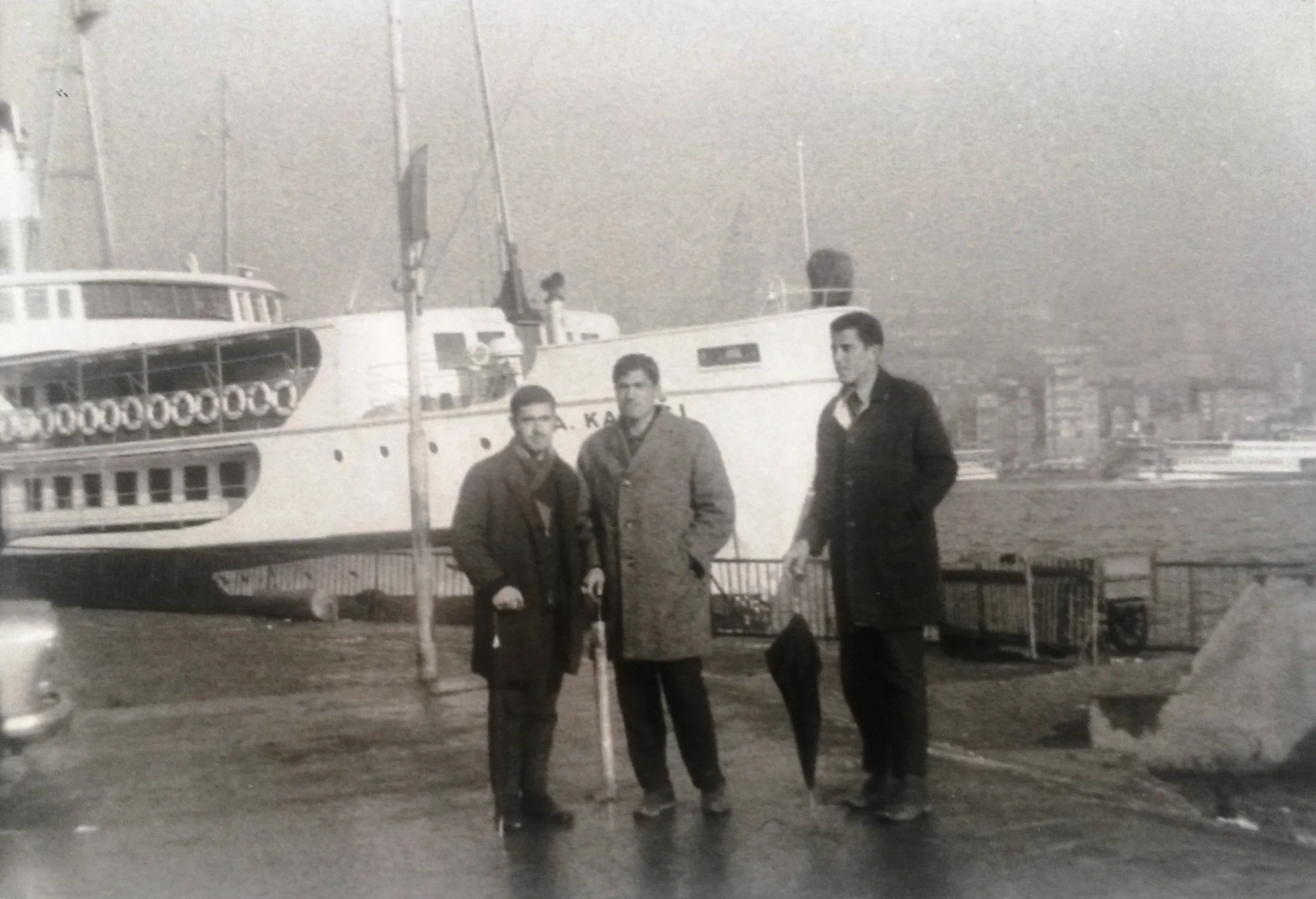
Childhood at the loom in the Old City, his own workshop in his parents’ house, departure on the Orient Express.

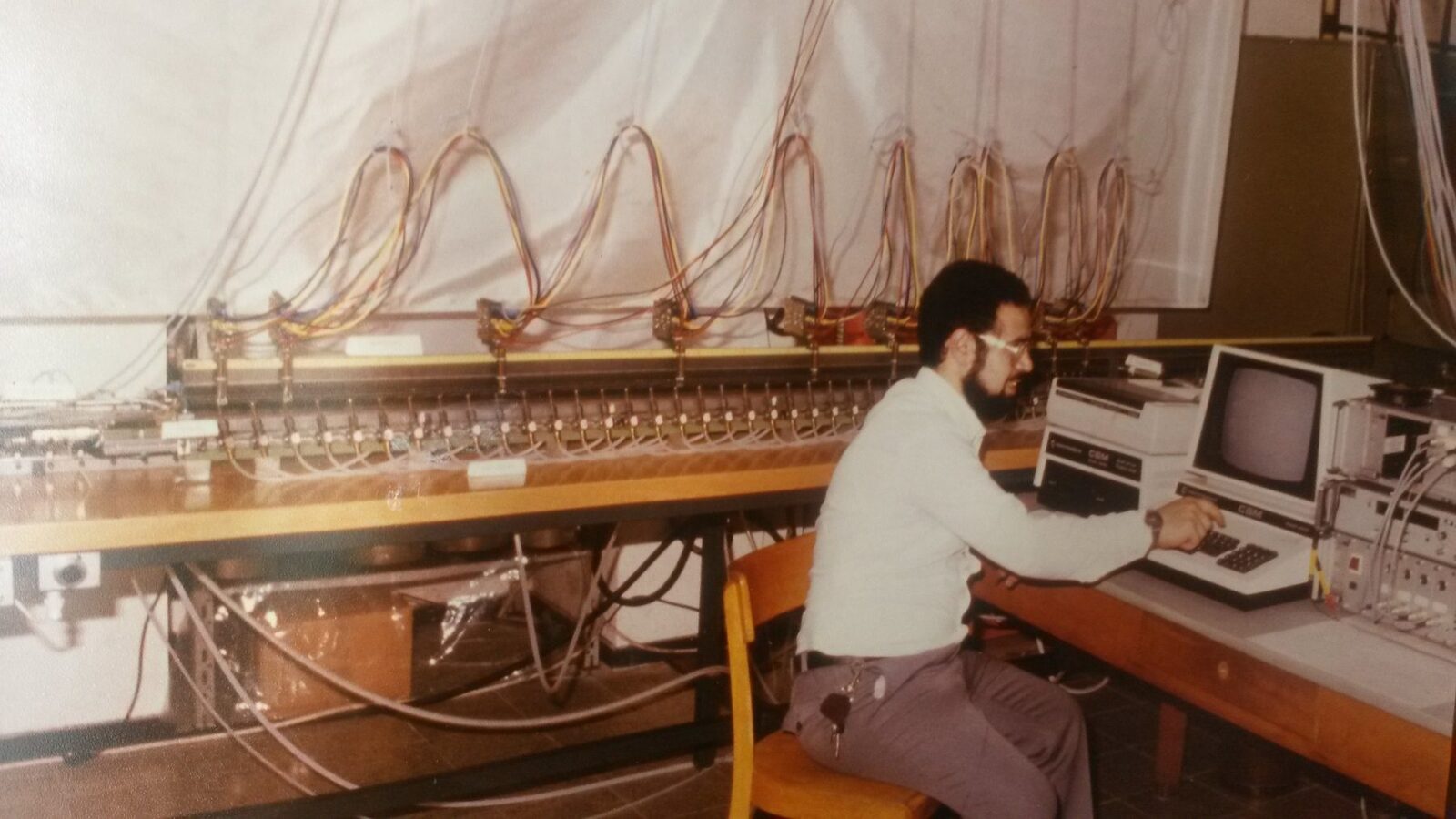
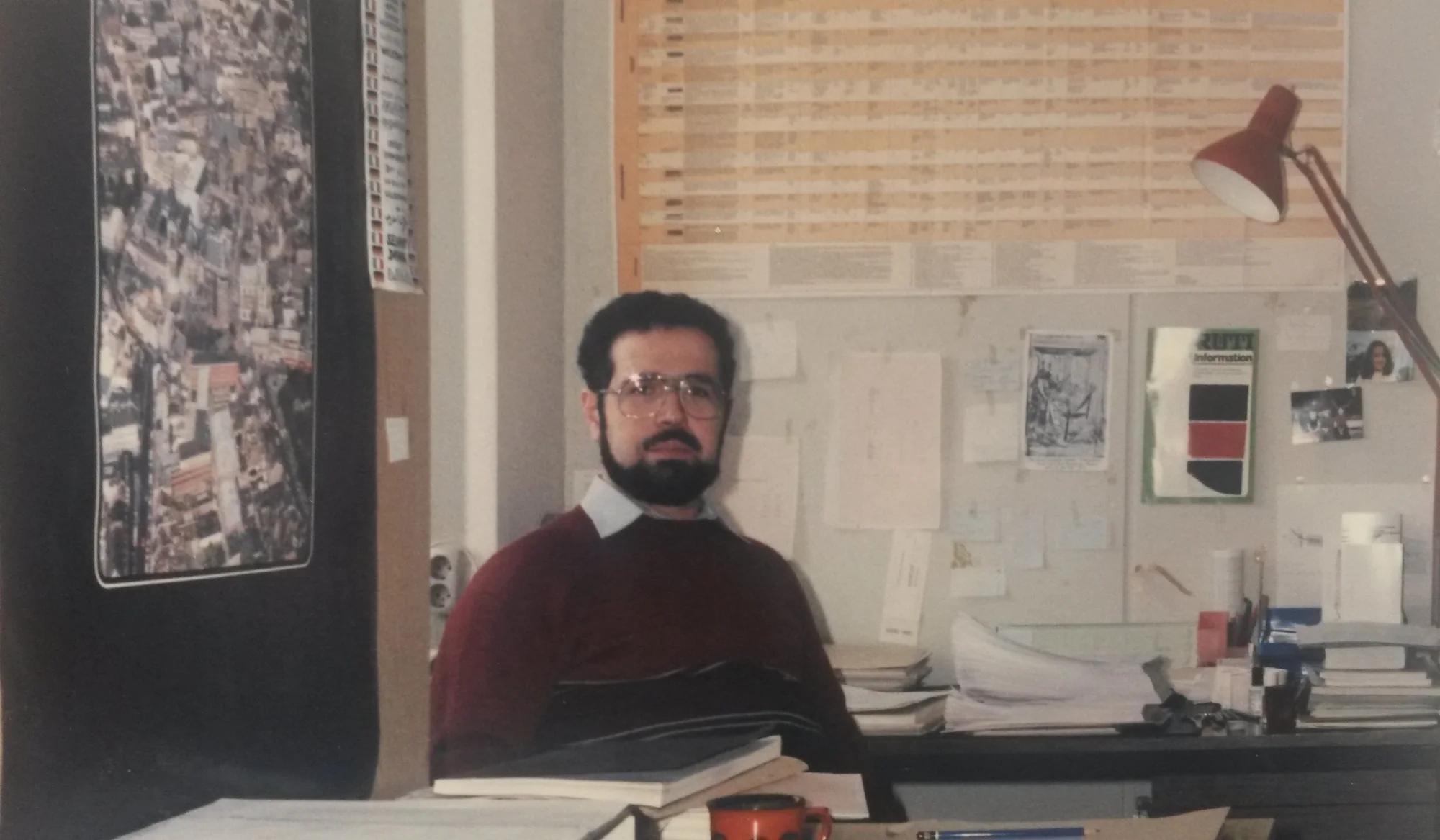
Wahhoud doing research on an experimental loom — Aachen, early 1980s.
1971 — 2013

Aachen & Lindau

Studies and doctorate at RWTH, 27 years leading R&D at DORNIER, more than 60 patents — and a moving visit from his elderly father.

Diploma, doctorate & first patent

His diploma thesis at the Institute for Textile Technology (ITA) under Prof. Dr. Lünenschloß examined weft insertion by air jet in weaving machines — graded “very good”. It contained a novel valve design — his first patent, acquired by Sulzer AG (Switzerland). Prof. Lünenschloß, in those years one of the world's leading textile-technology scientists, called him a “thoroughbred weaver” (Vollblutweber). In 1983 Wahhoud received the German Textile Machinery Award of the Walter Reiners Foundation at ITMA in Milan. In 1987 he obtained his doctorate — after about 30 scientific publications in international journals.

His work at Lindauer DORNIER

In the same year 1987, Dr. Wahhoud answered the call to Lindau and began as a development engineer at Lindauer DORNIER GmbH. After only a year he took over the leadership of the research and development department for the air-jet weaving machine. For 27 years he shaped the company\u2019s innovation history \u2014 until his last working day in autumn 2013. More than 60 inventions and patents bear his name. Under his leadership the ORW (Open Reed Weave) technology was born. He is also listed in the Brockhaus Encyclopaedia as author of the textile-technical entries of the 19th edition.

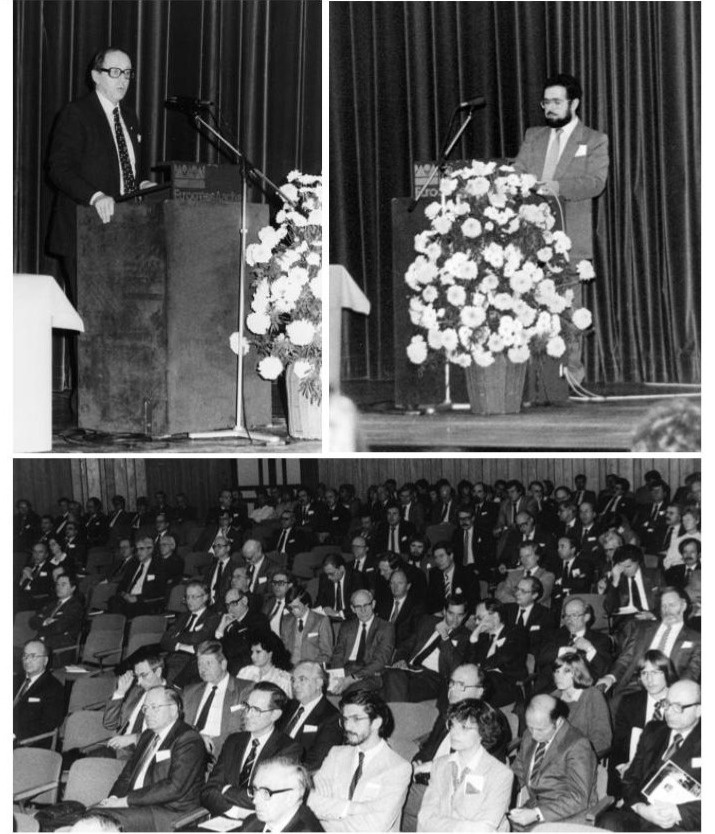
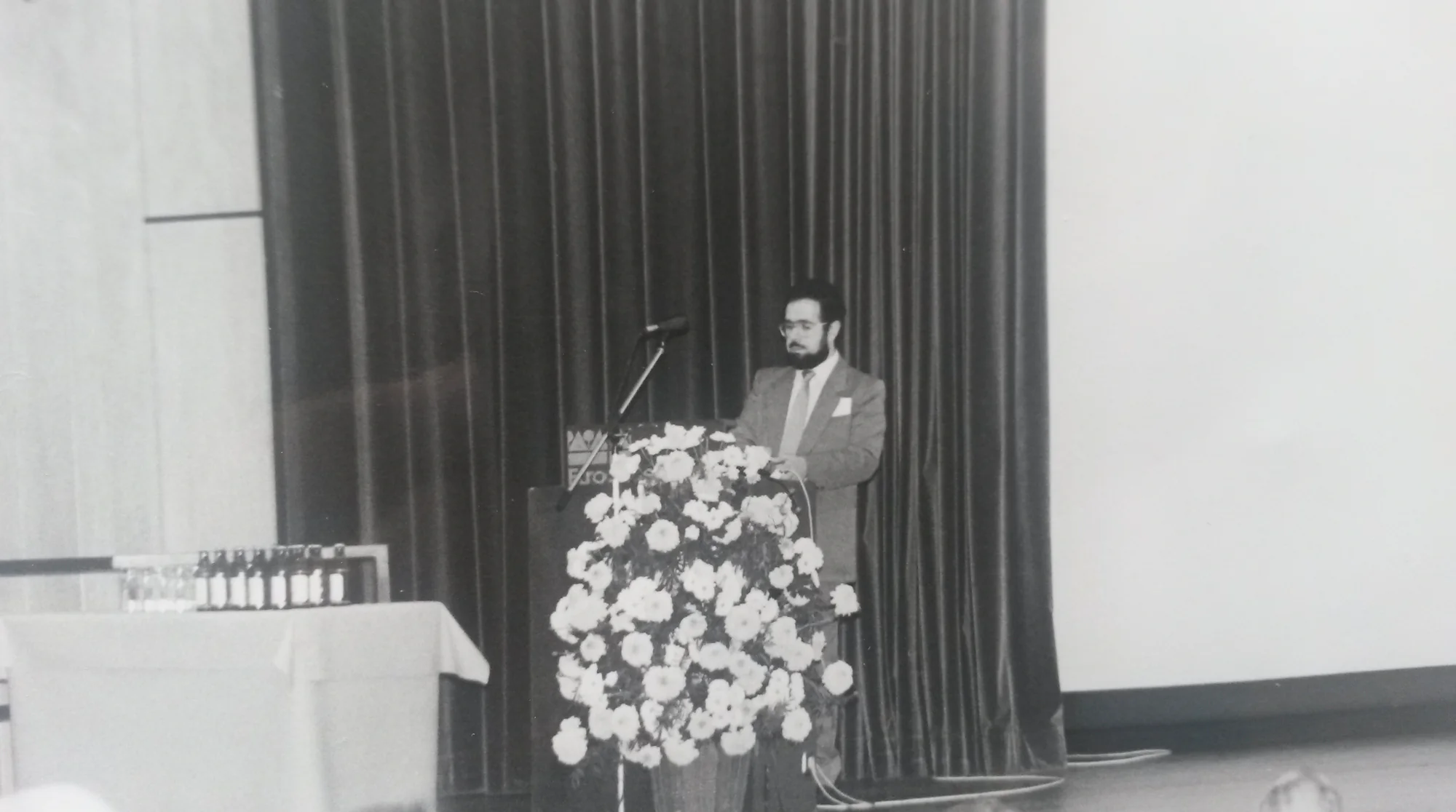
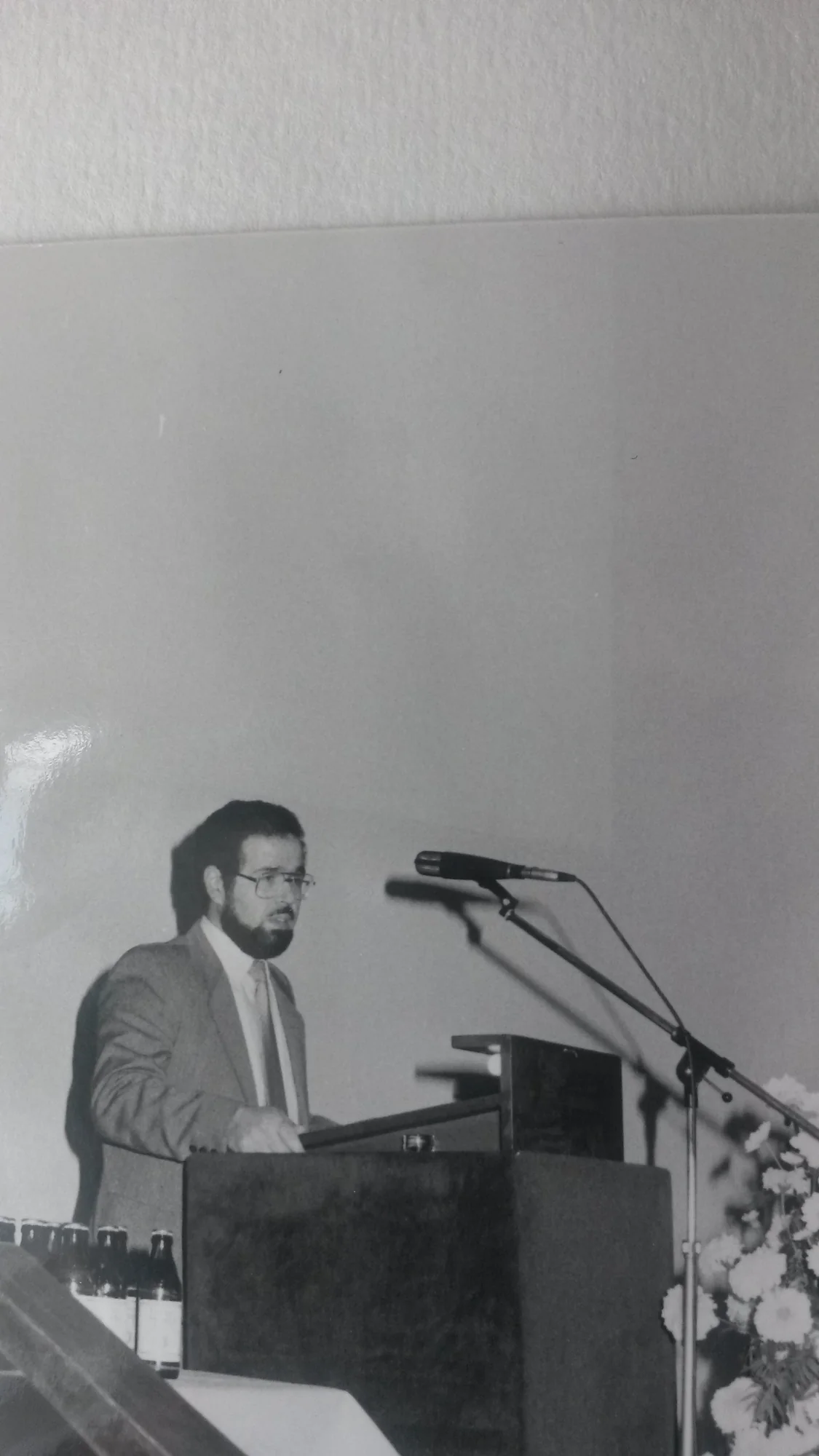
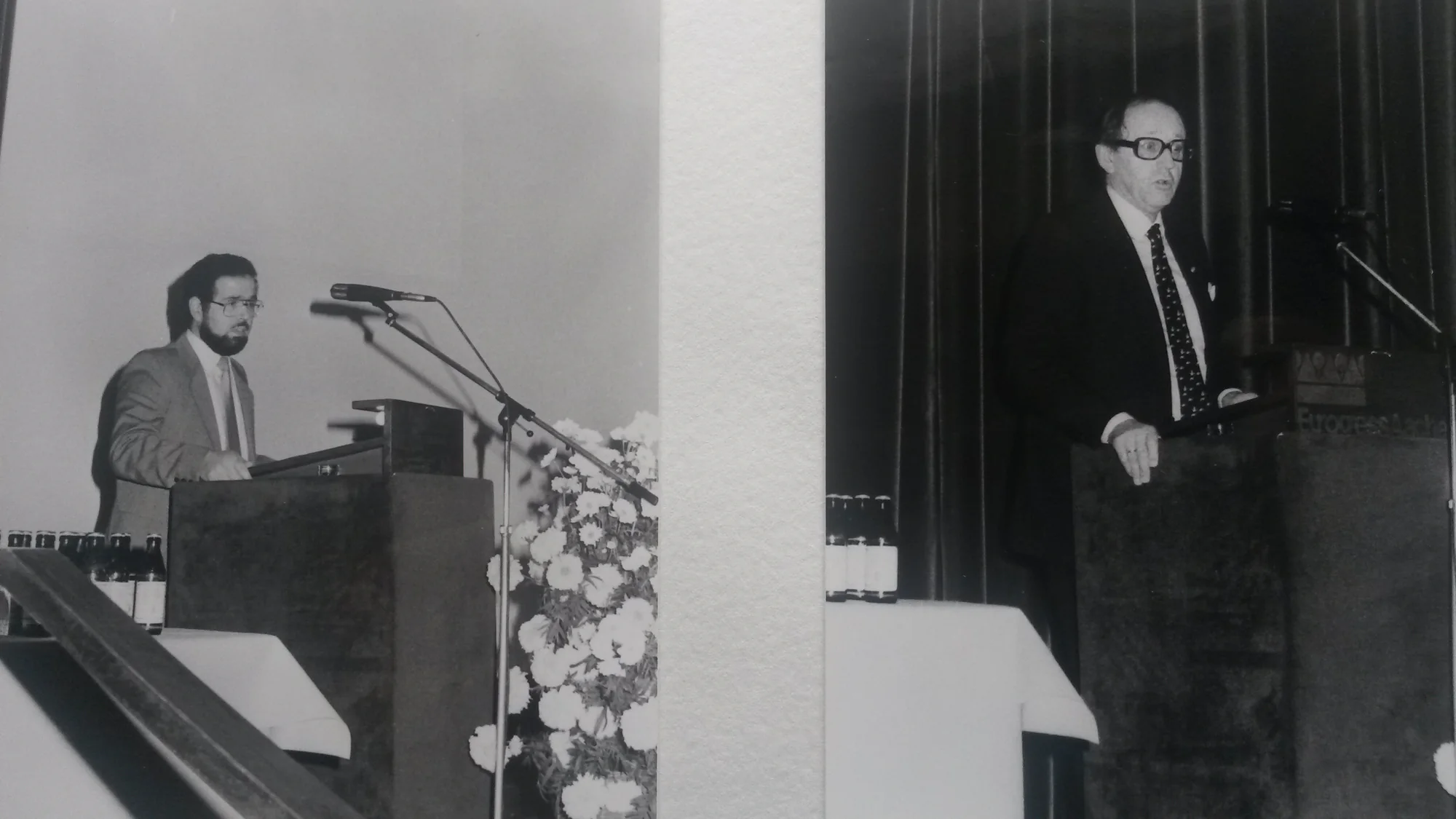
A speaker at international conferences — Prof. Lünenschloß (left) and Wahhoud (right) at the lectern. Lünenschloß always pointed out that “the credit really belongs to his father in Damascus”.

A bridge to Damascus

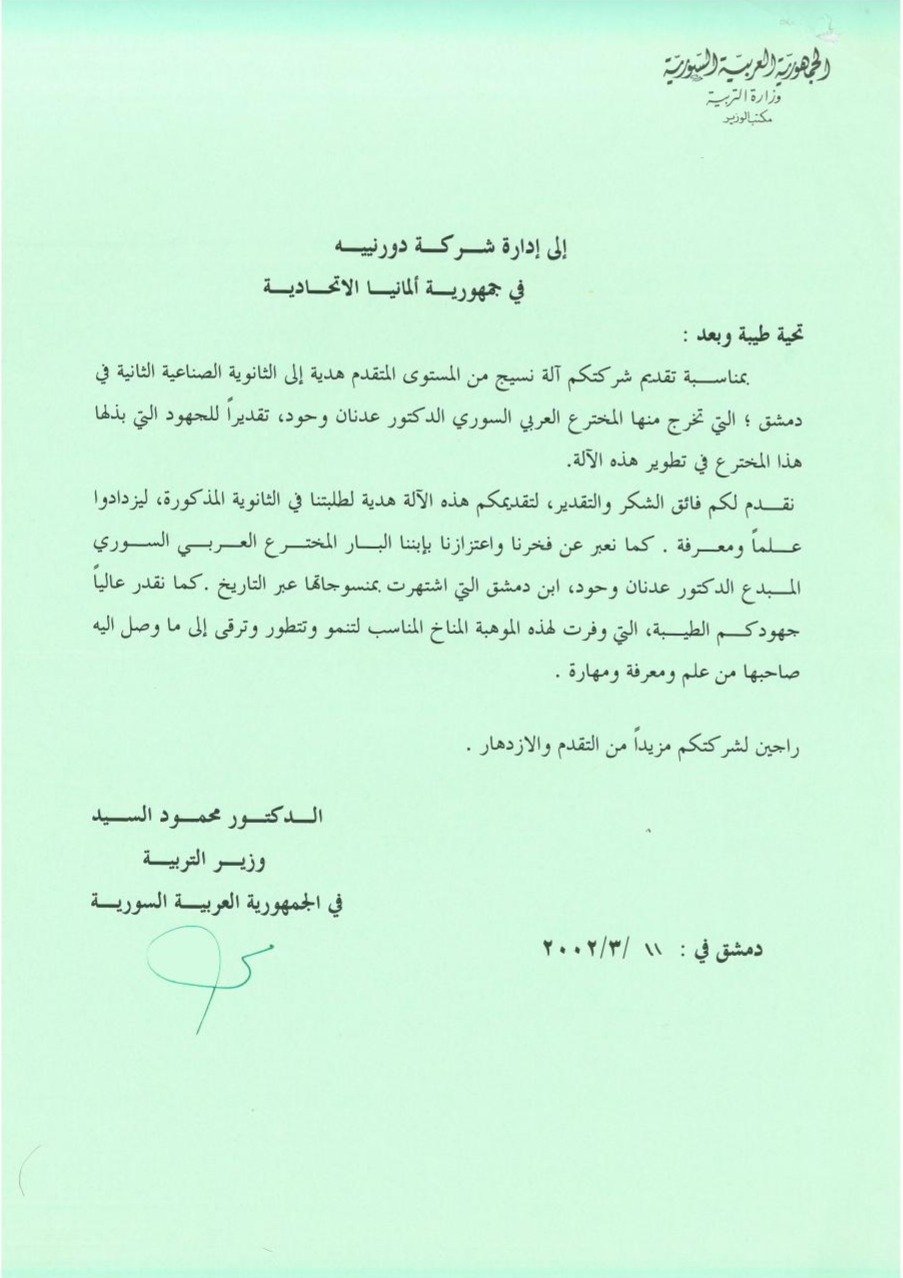
Years before the war, Wahhoud was already working to give his knowledge back to his old homeland. In 2002 he arranged for the donation of a modern DORNIER weaving machine to the Second Industrial Secondary School in Damascus — the very school where he himself had passed his school-leaving exams in 1970. The Syrian Minister of Education Dr. Mahmoud Al-Sayyid thanked the Lindau-based company in a personal letter.

Letter from the Syrian Minister of Education, 11 March 2002
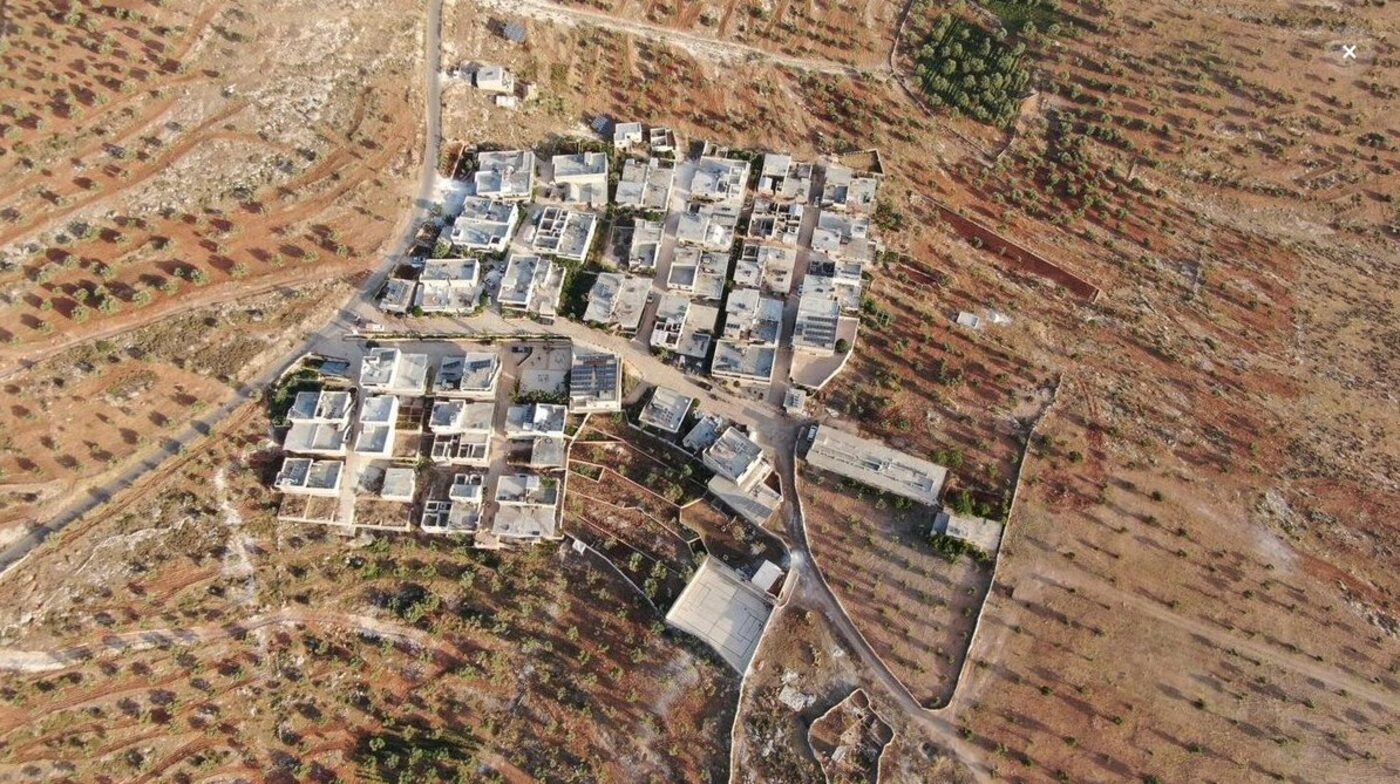
The Toubat housing settlement from above — the “Roof over the Head” project for 125 families, with Medical Point, school, kindergarten and water well.
2012 — today

Responsibility

War in his homeland, the first journey in late 2012 — and since then more than twelve years of humanitarian commitment with four Medical Points, support for 119 orphan families and the Toubat settlement in Salwa-Idlib.

Responsibility for Syria

“In my life I have done a great deal for technology — and now I want to be there for people.” Wahhoud had actually wanted to enjoy his retirement with his wife Hayat and their five children — but then war broke out in his country of birth. At late 2012 he flew with his wife, a Lindau doctor and 16 suitcases full of medicines for the first time into a refugee camp at the Turkish-Syrian border. Eight days of work — the beginning of more than twelve years of humanitarian commitment. Today the “Lindauhilfe für Syrien” runs four active Medical Points, support for 119 families with 226 orphans, three soup kitchens and the Toubat settlement in Salwa-Idlib. A bridge between two worlds.

The war strikes his own family

Wahhoud\u2019s own family was not spared. The families of his five siblings lived in Damascus — most have since fled. A handful of his nephews escaped Assad\u2019s military by going to Turkey. Two nephews have been missing for more than three years. His last visit to Damascus was Christmas 2010 — “today I would be treated like a traitor because I help people.” His youngest brother still lives in the family home in the city center.

Foreword · Issam El-Attar

“Adnan Wahhoud is an outstanding example of one who labors and reaps success. He is an example of balance in such difficult situations as hardly lend themselves to accomplishing what he has accomplished and reaching where he has reached.”

“Adnan grew up in a poor family and an environment of simple people without schooling, who preferred to have their children learn a trade after compulsory primary school. The young Adnan, who possessed a love of knowledge and the will to learn, had to fight to be allowed to continue his education and studies — on condition that he simultaneously held gainful employment, however strenuous and difficult that might be.”

“Yet God granted him, in keeping with his pure intention, a devout, sincere and wise wife. She shared with him the hard life and helped him overcome difficulties and continue his path. She was an admirable wife to him, an excellent homemaker, and a good mother to his children.”

“It must be praised in Adnan that he reached this high level of knowledge, work and inventive spirit through his own ability, self-confidence, truthfulness, reliability and sincerity. He has known neither hypocrisy nor flattery, neither opportunism nor advancement on the shoulders of others.”

“In Adnan Wahhoud\u2019s life, his scientific, practical, religious, patriotic, social, fraternal and human duties — however numerous — complement one another. He neglects none of them. The German friends of our scientist did Syria and the city of Damascus a service when they proposed that this life story be titled \u2018A Scientist from Damascus.\u2019”

— Issam El-Attar

Milestones

  1. 1951

    Born in Damascus, Syria

    In May, sixth of eight children of a poor weaver\u2019s family \u2014 inside the walls of the old city.

  2. 1958

    Enrolled in primary school

    From the fourth grade onward, among the best of his class. Three hours each afternoon at his father\u2019s loom.

  3. 1970

    Technical Abitur

    Specialization in textile production. Sets up his own Jacquard-card workshop at his parents\u2019 home.

  4. 1971

    By Orient Express to Europe

    Departure 8 February \u2014 five days via Istanbul, Sofia, Belgrade, Graz to Vienna. Starting capital 1,000 DM. German course, then RWTH Aachen.

  5. 1981

    First European patent

    A valve design from his diploma thesis is taken over by Switzerland\u2019s Sulzer AG.

  6. 1983

    Promotion Prize, German Textile Machinery

    Walter-Reiners Foundation \u2014 award at ITMA in Milan.

  7. 1987

    Doctorate & joining Lindauer DORNIER

    Doctoral title and simultaneous move to Lake Constance as development engineer.

  8. 2011

    Techtextil Innovation Prize

    Award for the ORW technology. A year later, the 10,000th air-jet loom leaves the plant.

  9. 2013

    Retirement & founding the Medical Points

    Retirement from Dornier — and the immediate founding of the first aid station in Khan Alassal.

  10. 2014/15

    “One Euro per Citizen” Campaign

    Roth district under Landrat Herbert Eckstein funds the “Abzemo-Roth” Medical Point.

  11. 2017

    Khan Shaikun chemical attack

    Wahhoud is 25 km away at the Fattiere Medical Point when the attack happens — and witnesses the crater himself.

  12. 2018

    Blanta school · new shoes for 220 children

    Aid extended to school supplies and education.

  13. 2019

    “Toubat” housing settlement

    Ground broken December 2019: “Roof Over the Head” project for 125 families — with medical point, school, kindergarten and water well.

  14. 2020+

    “Salwa” housing settlement

    With Wüstenkind e.V.: school, kindergarten with 45 children, sewing workshop and MP Oberschwaben.

  15. Today

    Active for Syria and science

    Travels every two months via Turkey into northern Syria — to support the Medical Points and the housing settlements.

Pictures from his life

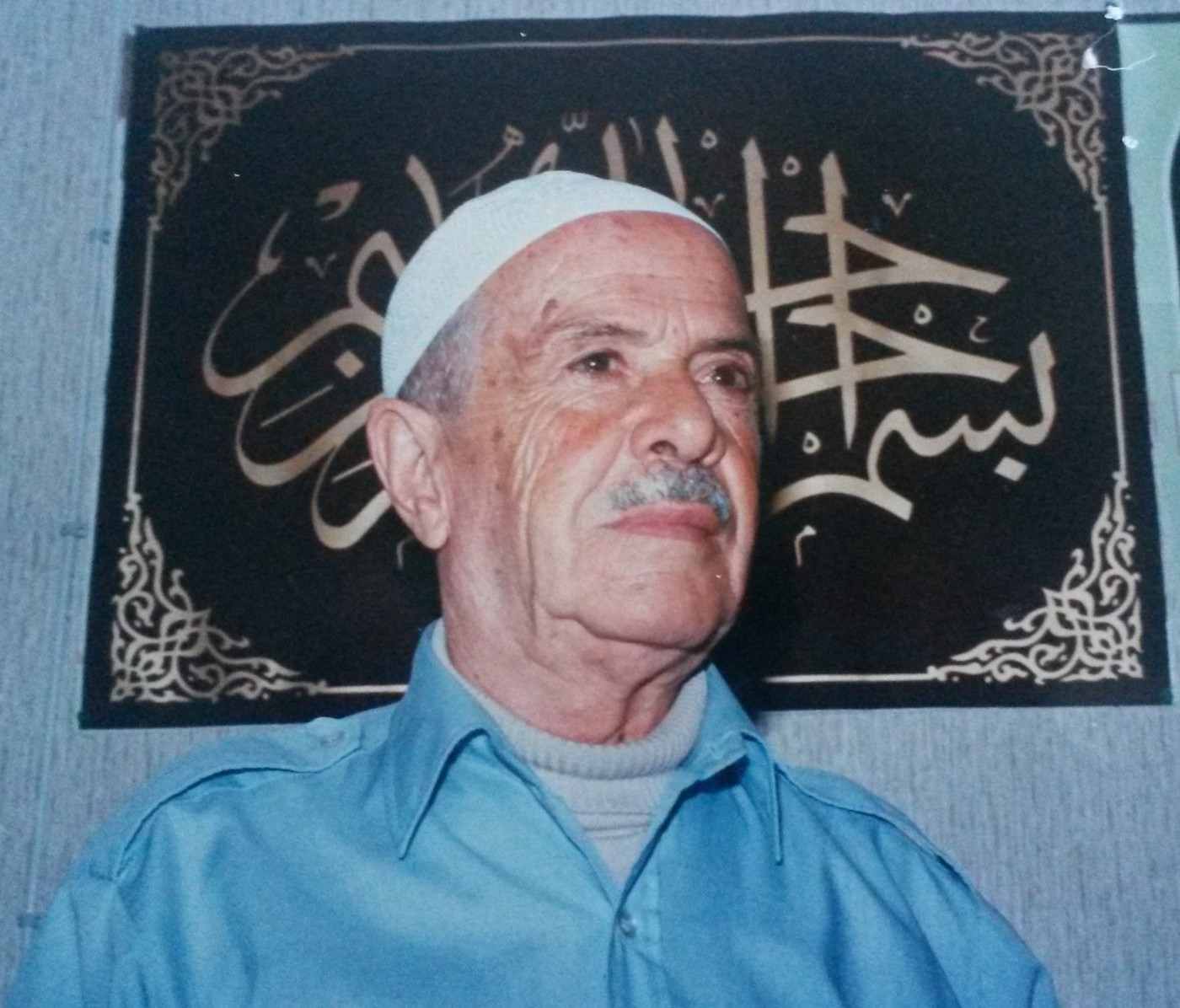
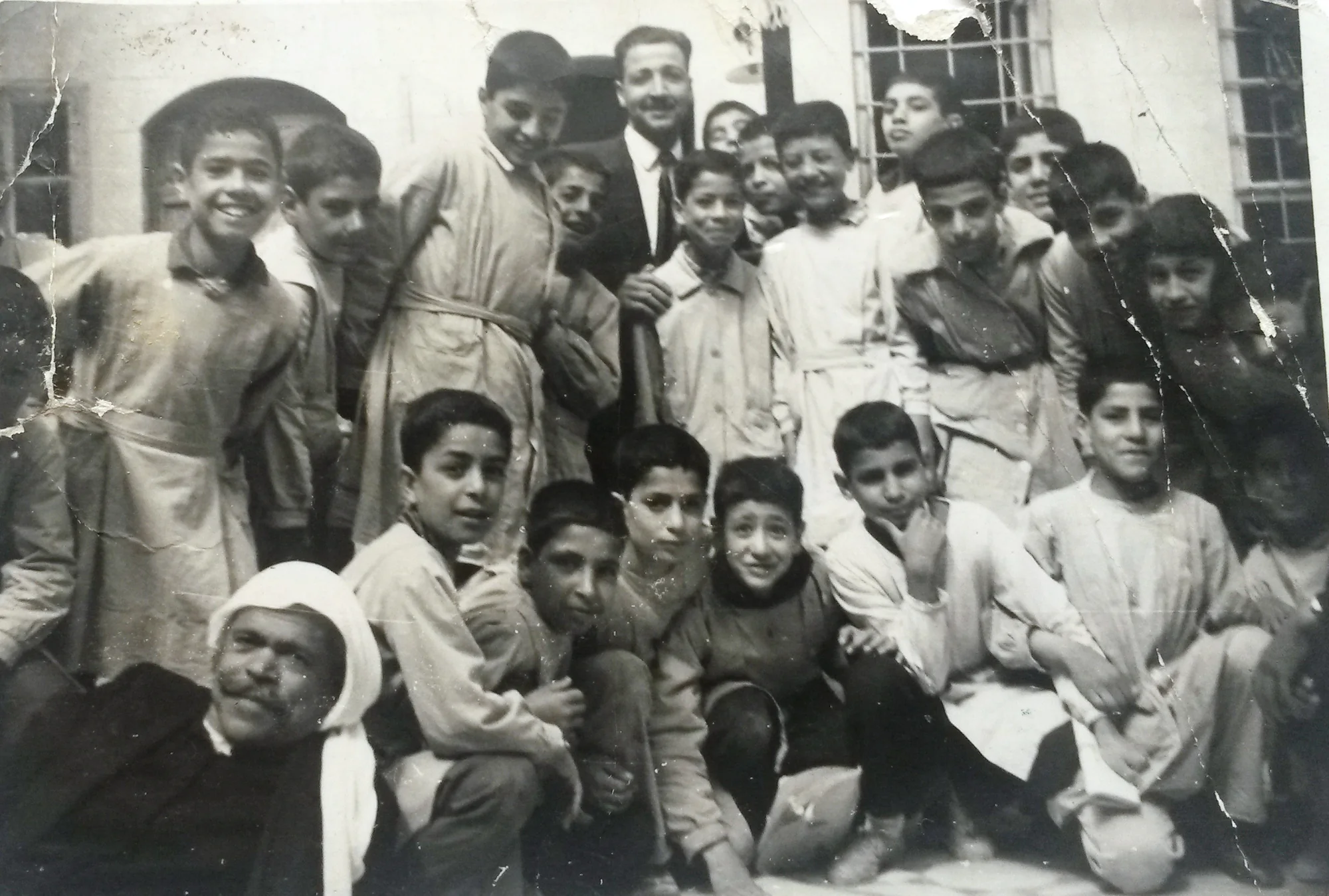
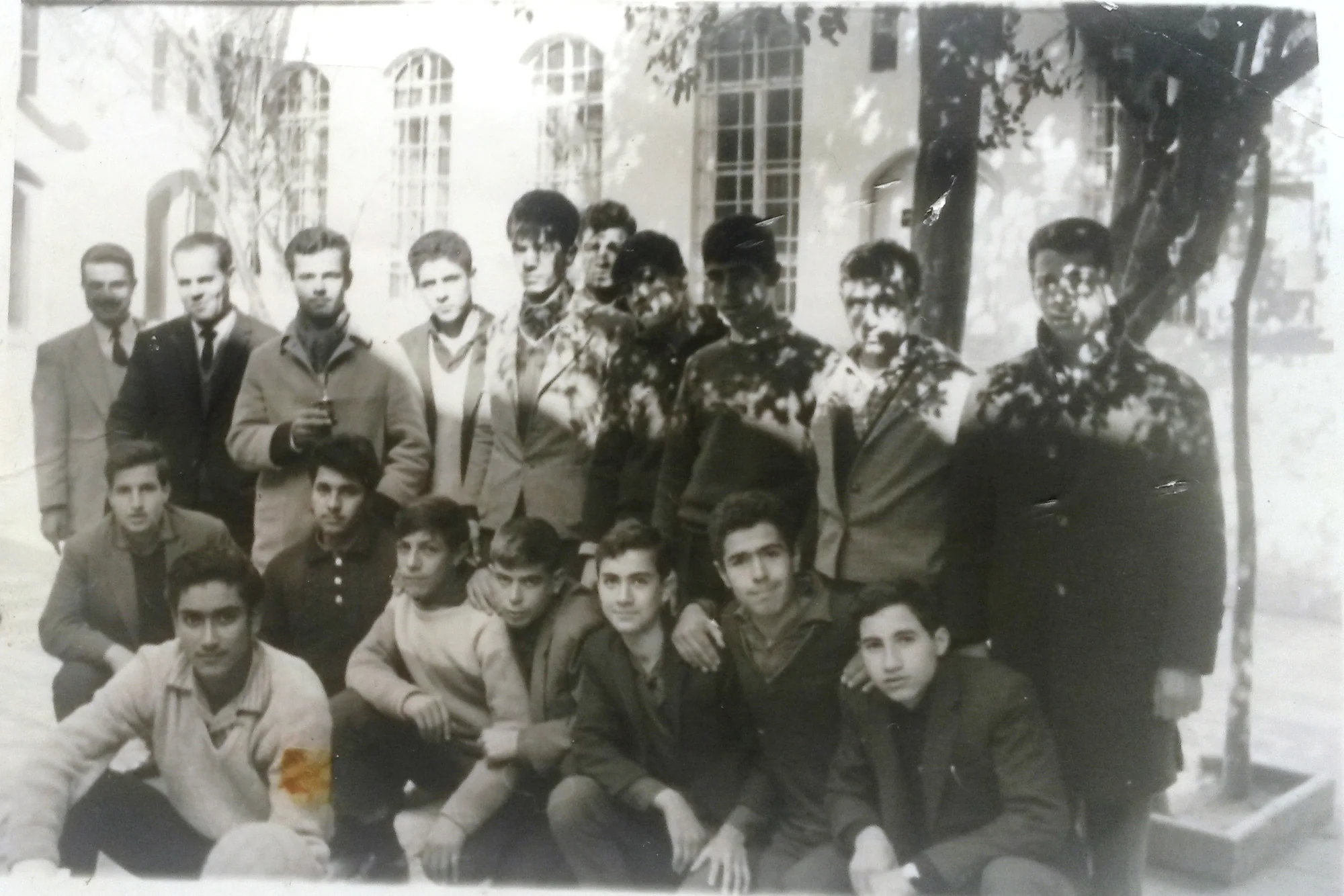
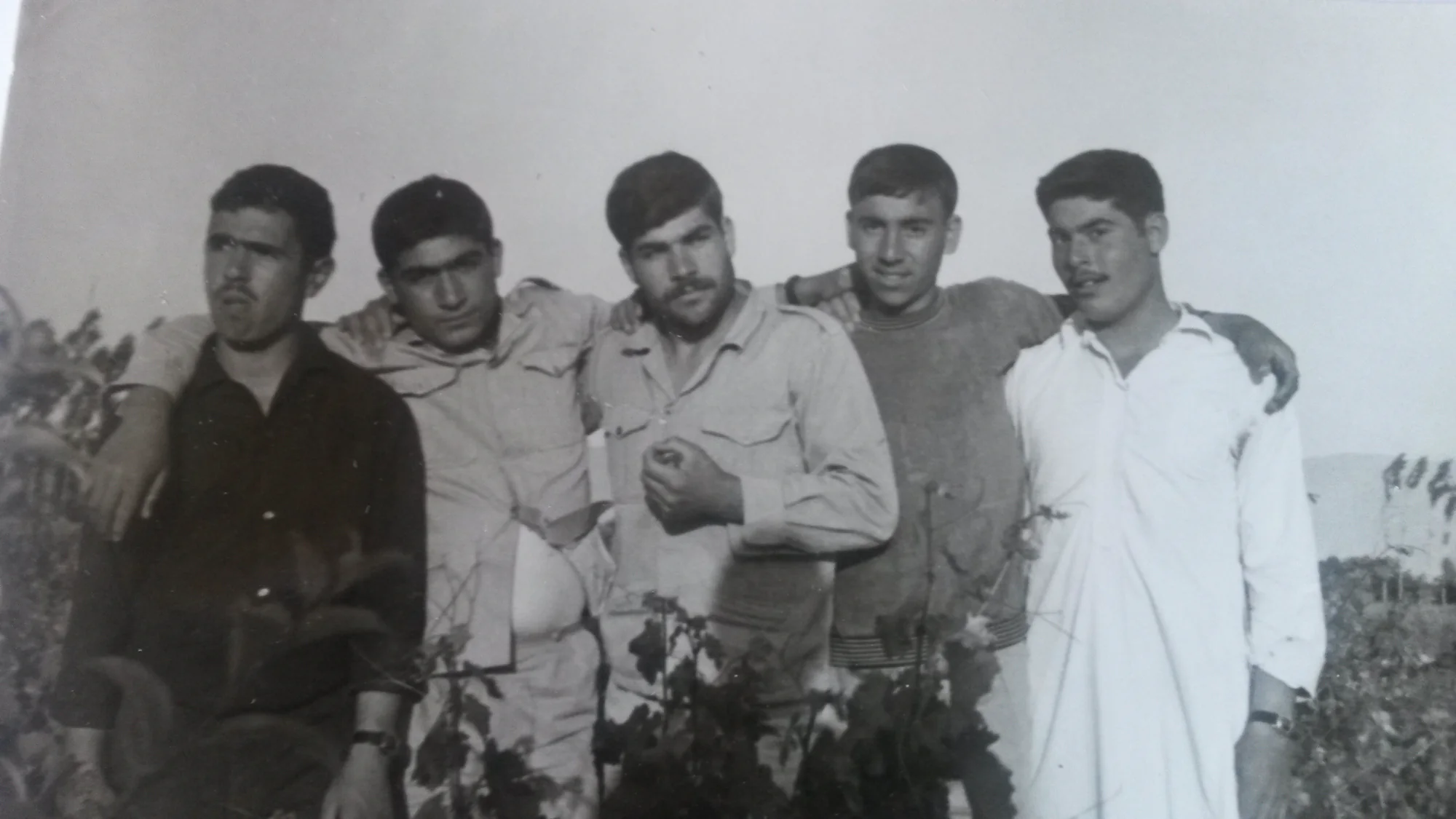
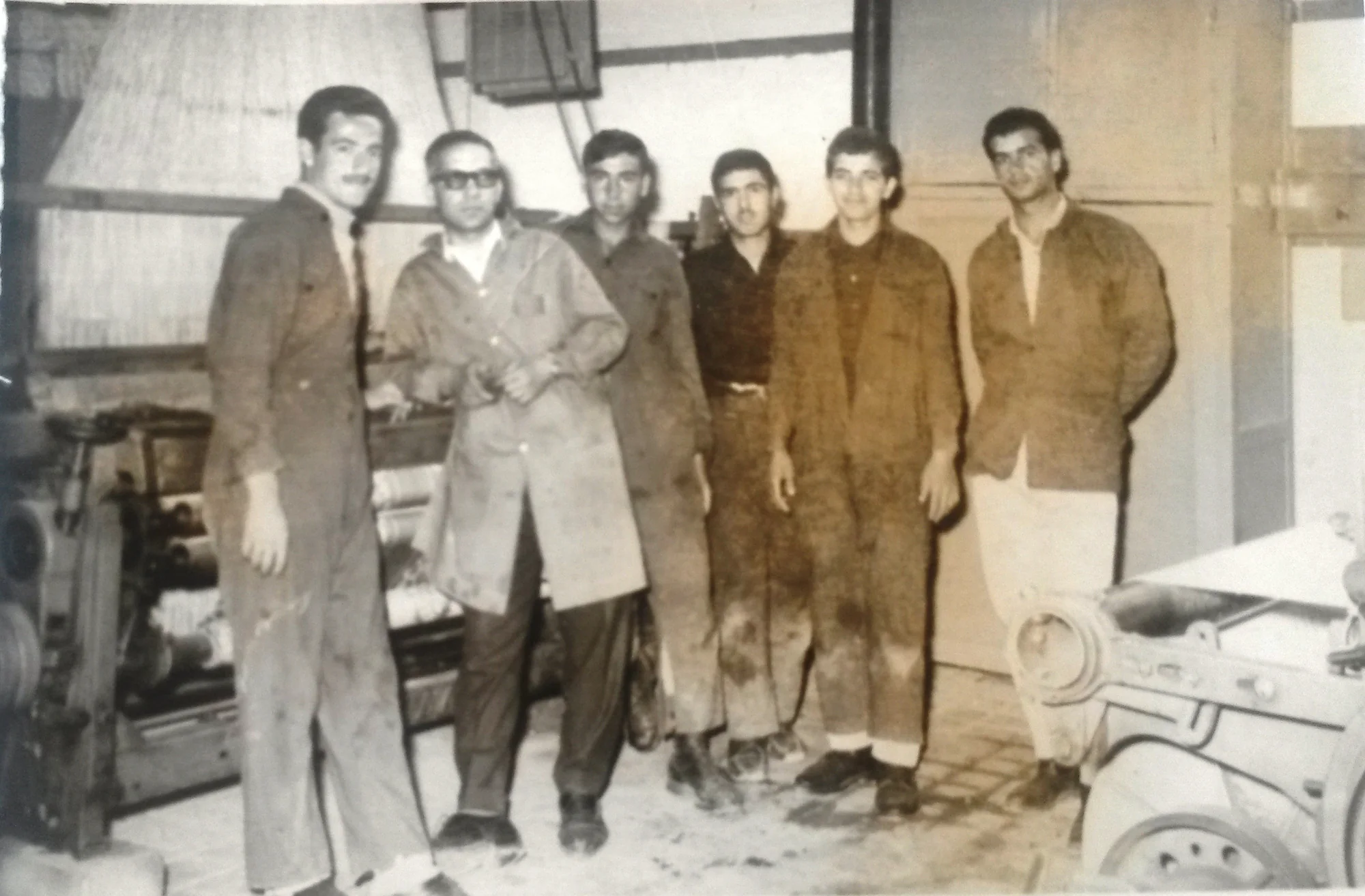
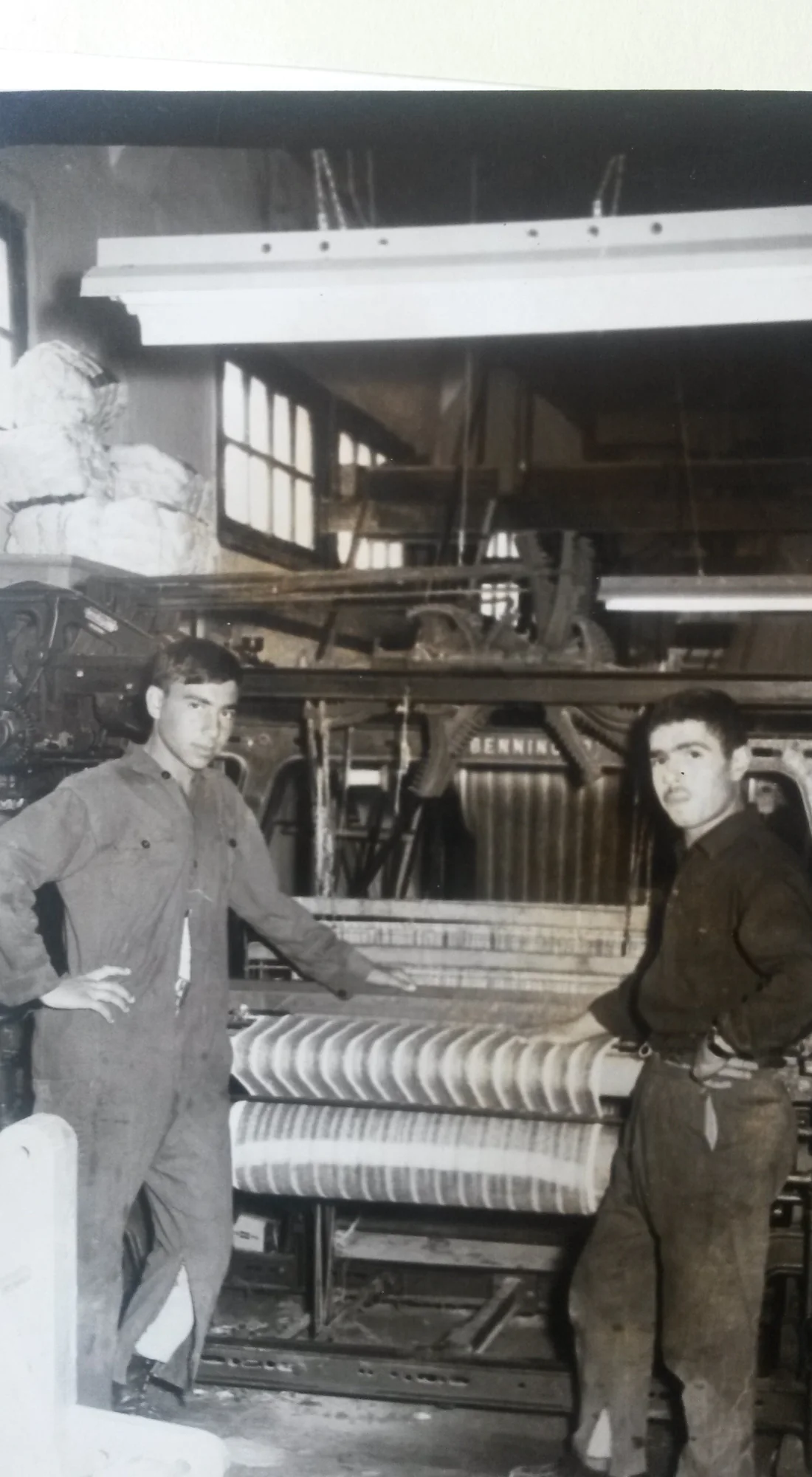
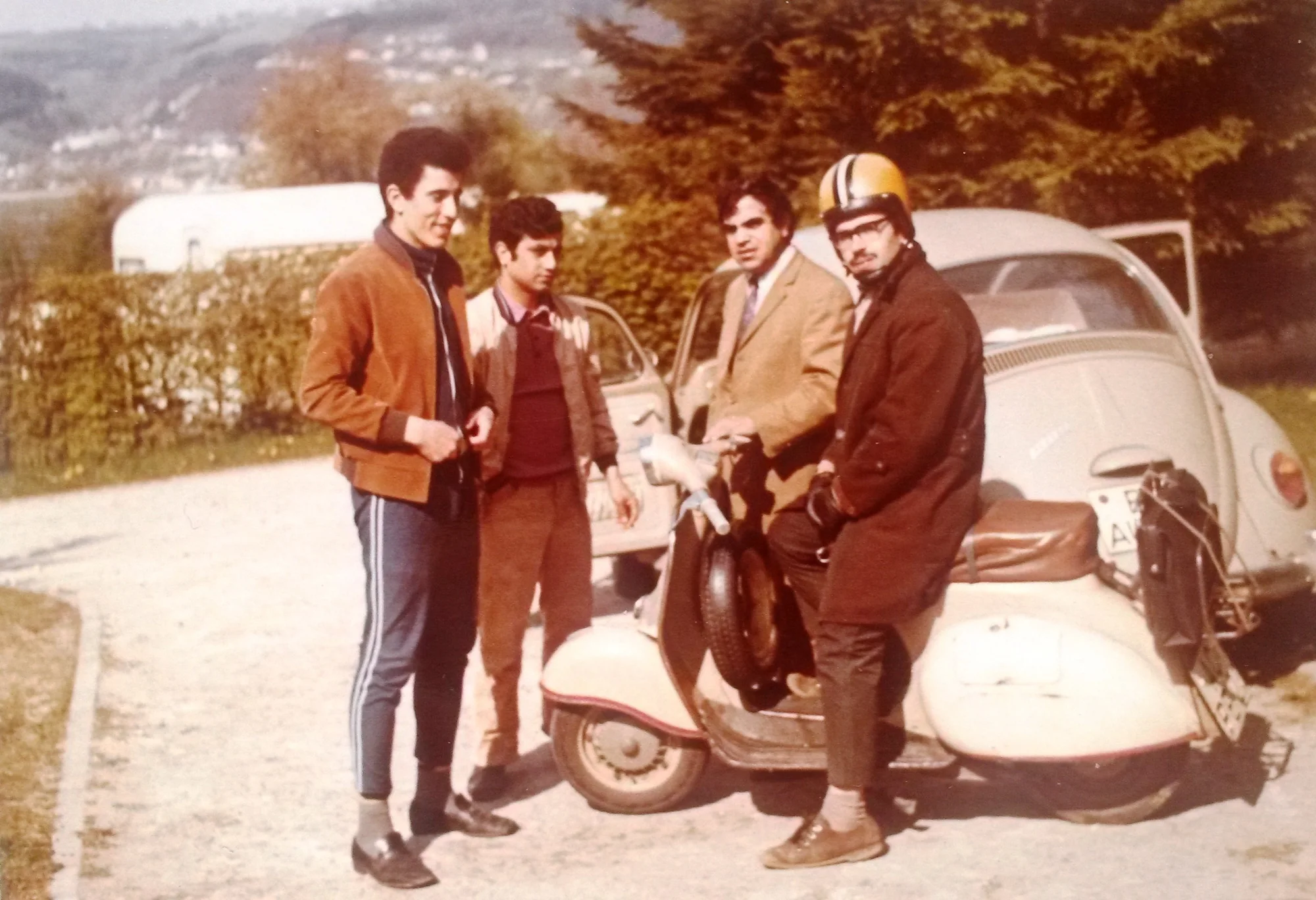
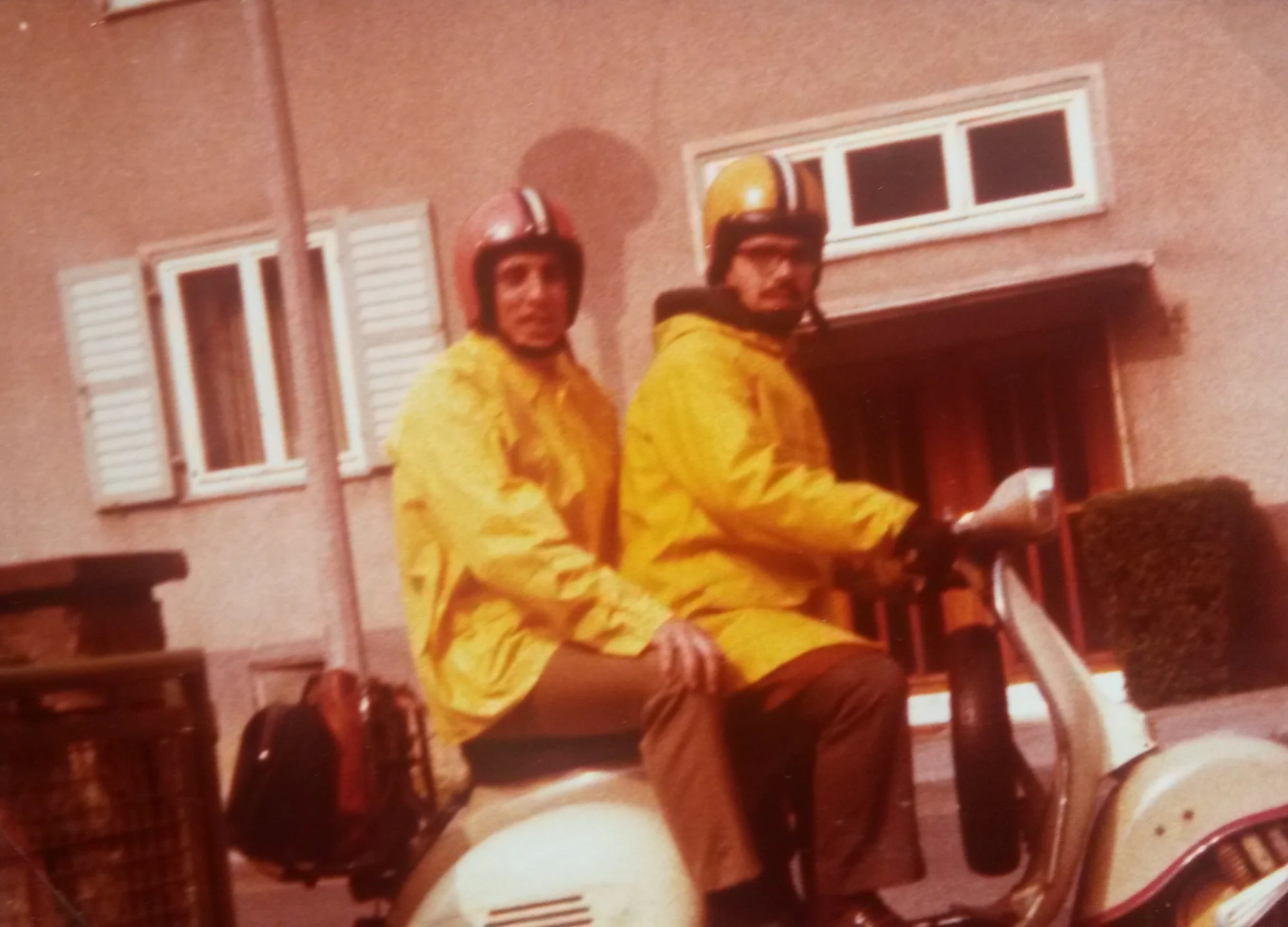
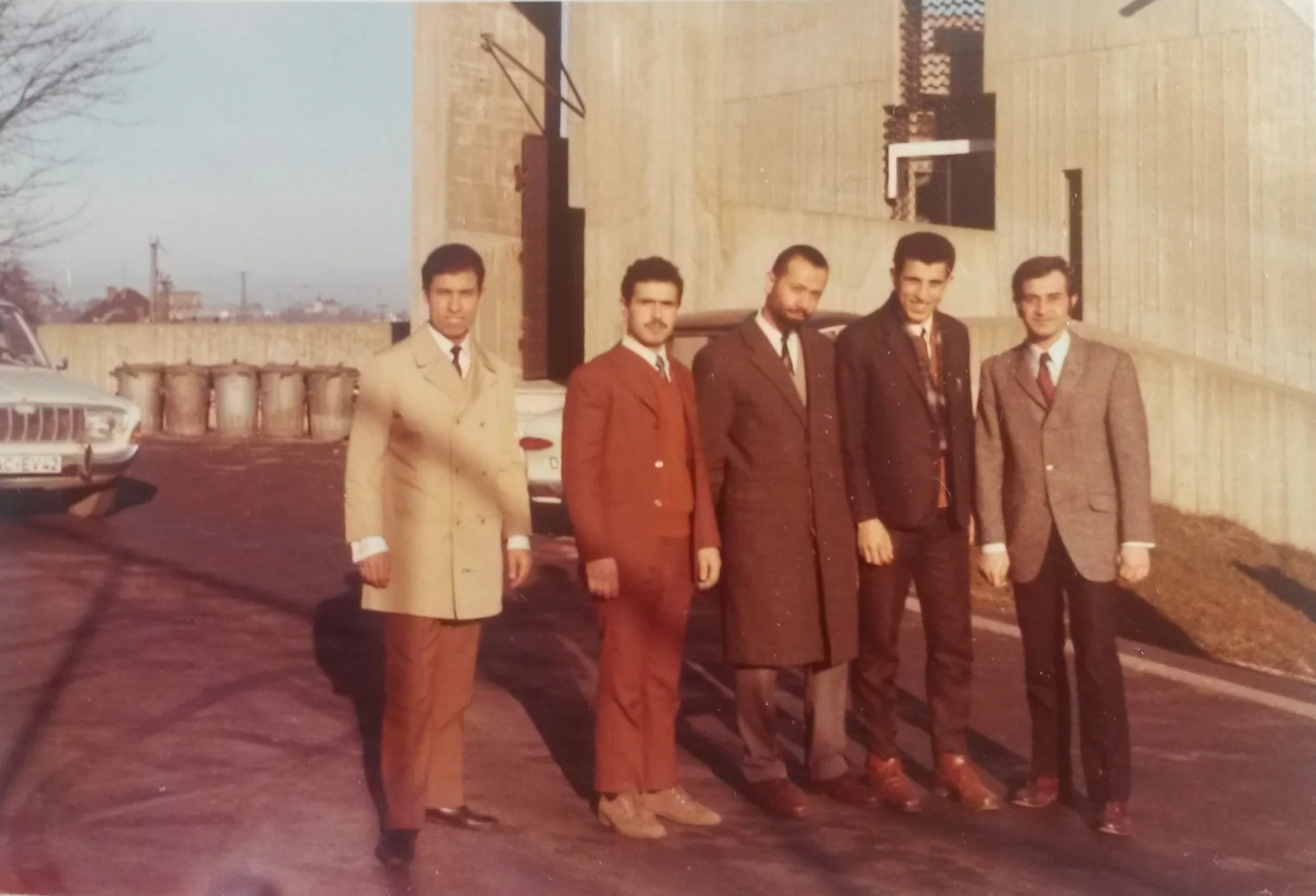
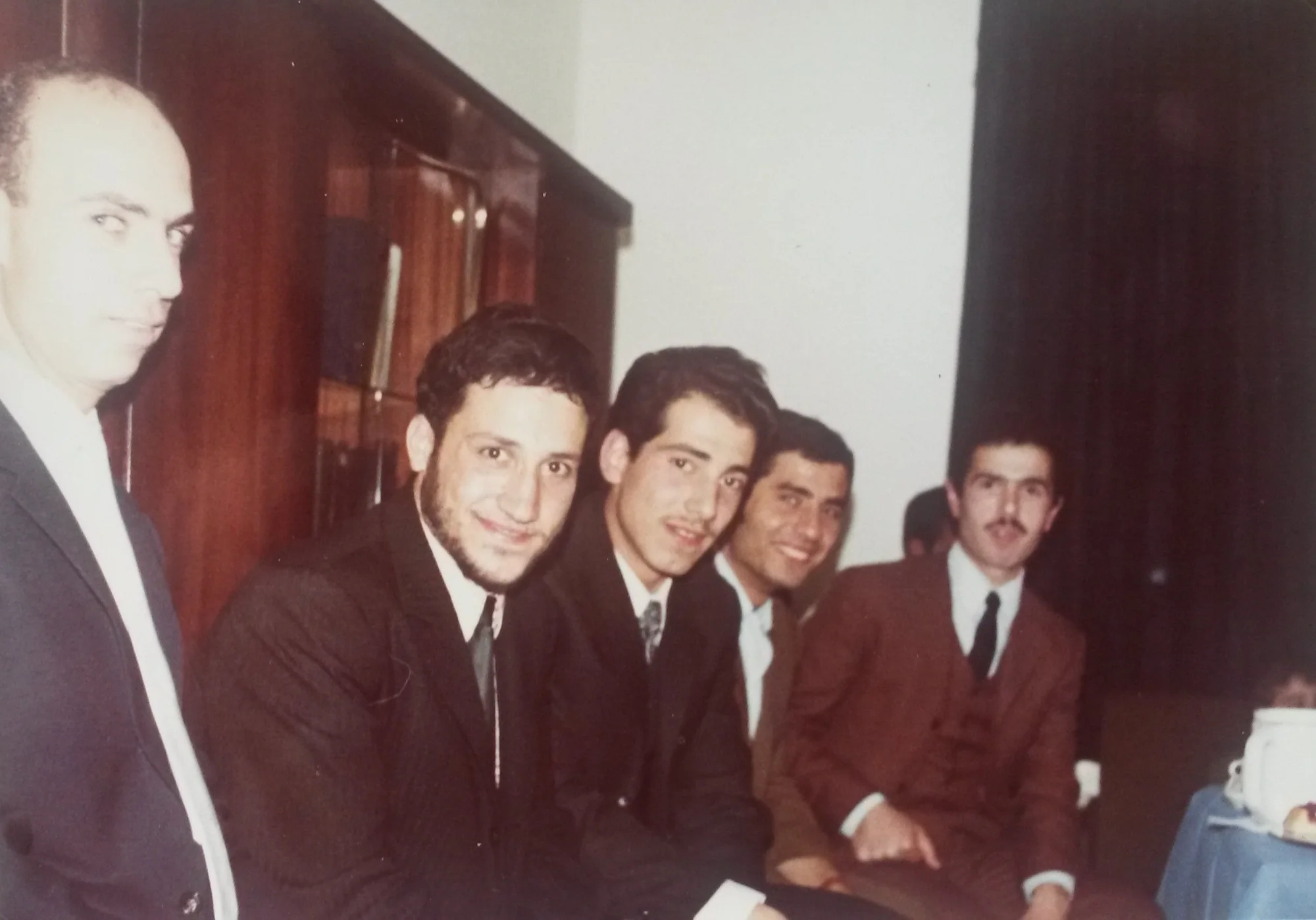
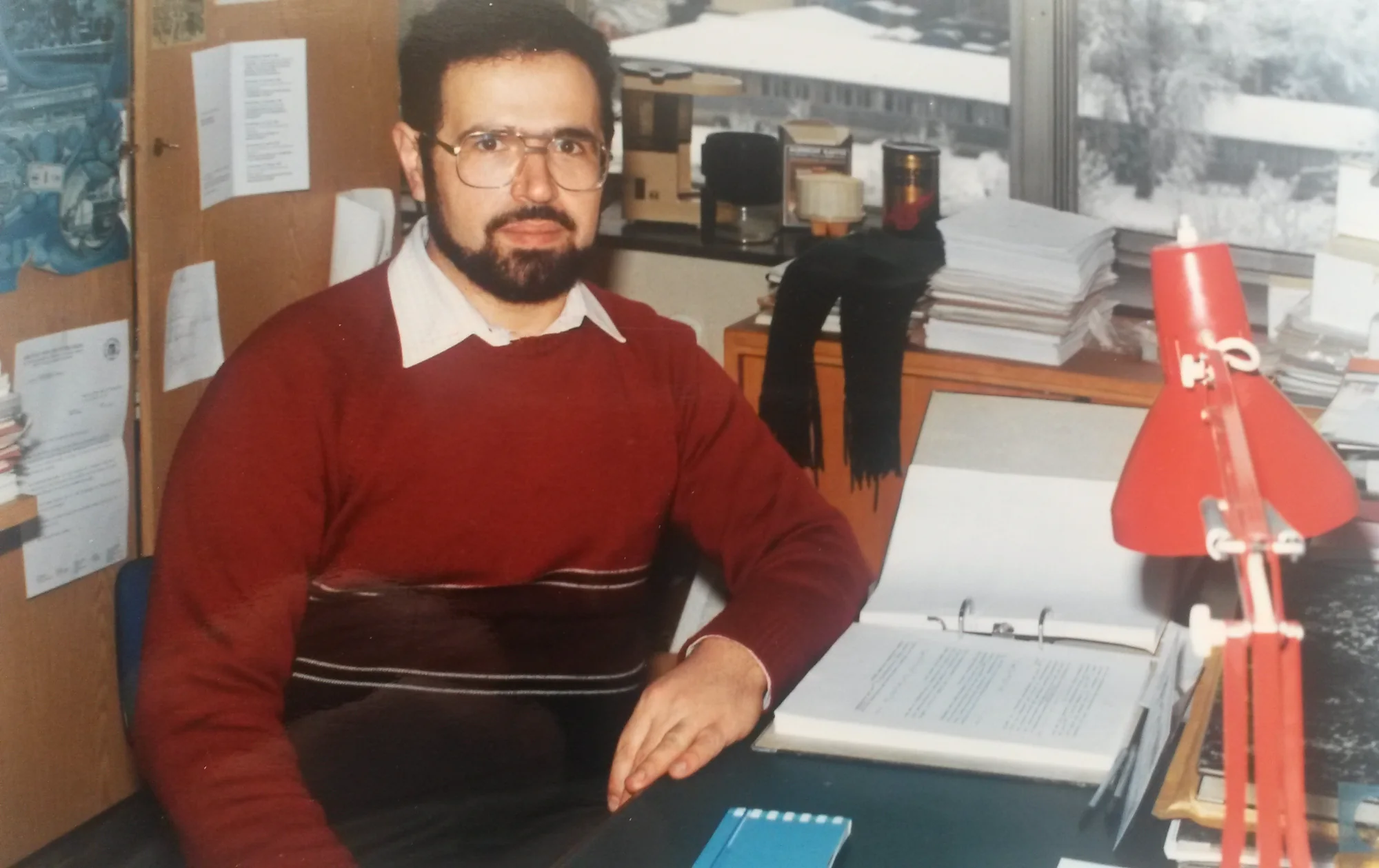
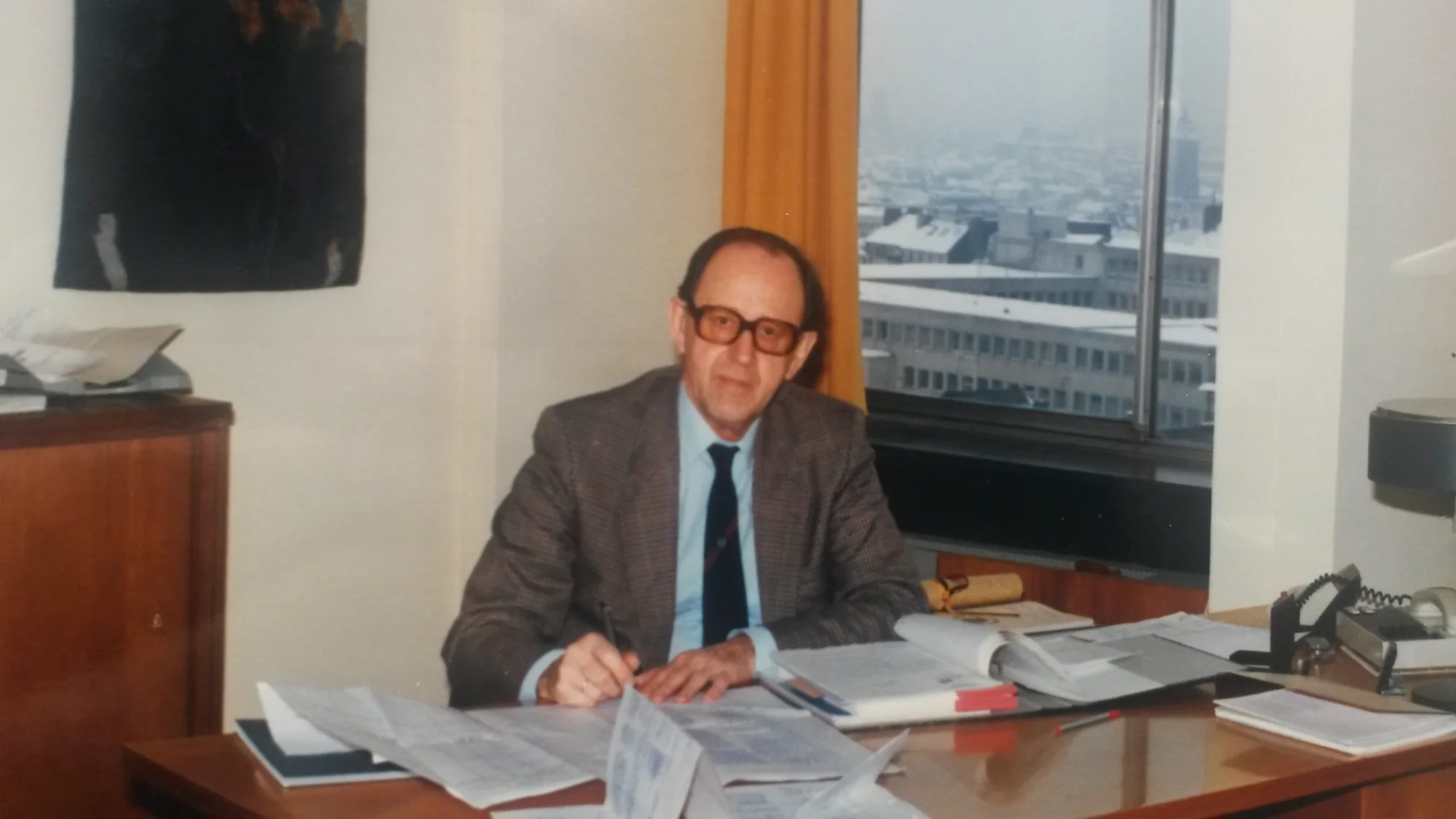
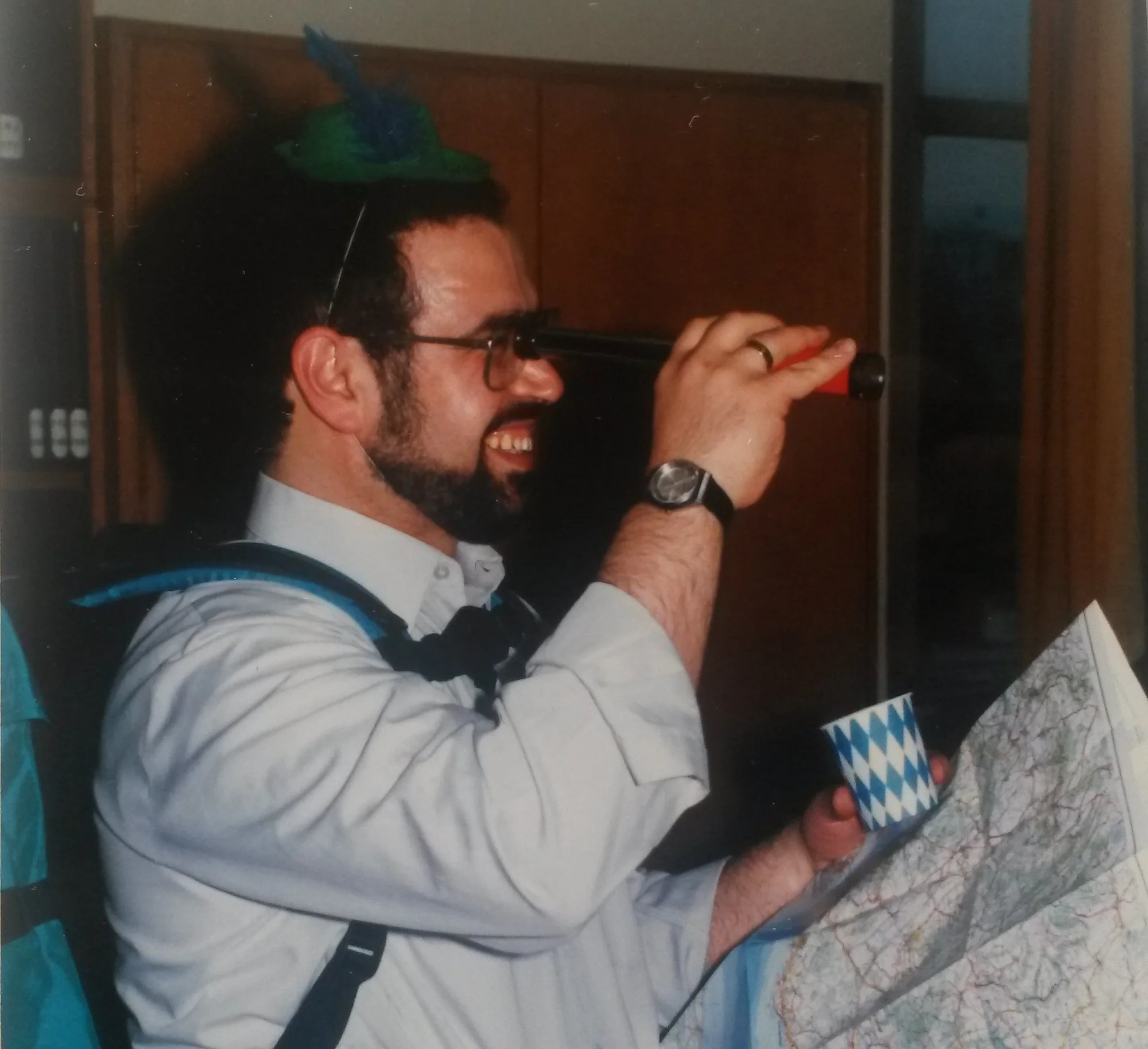
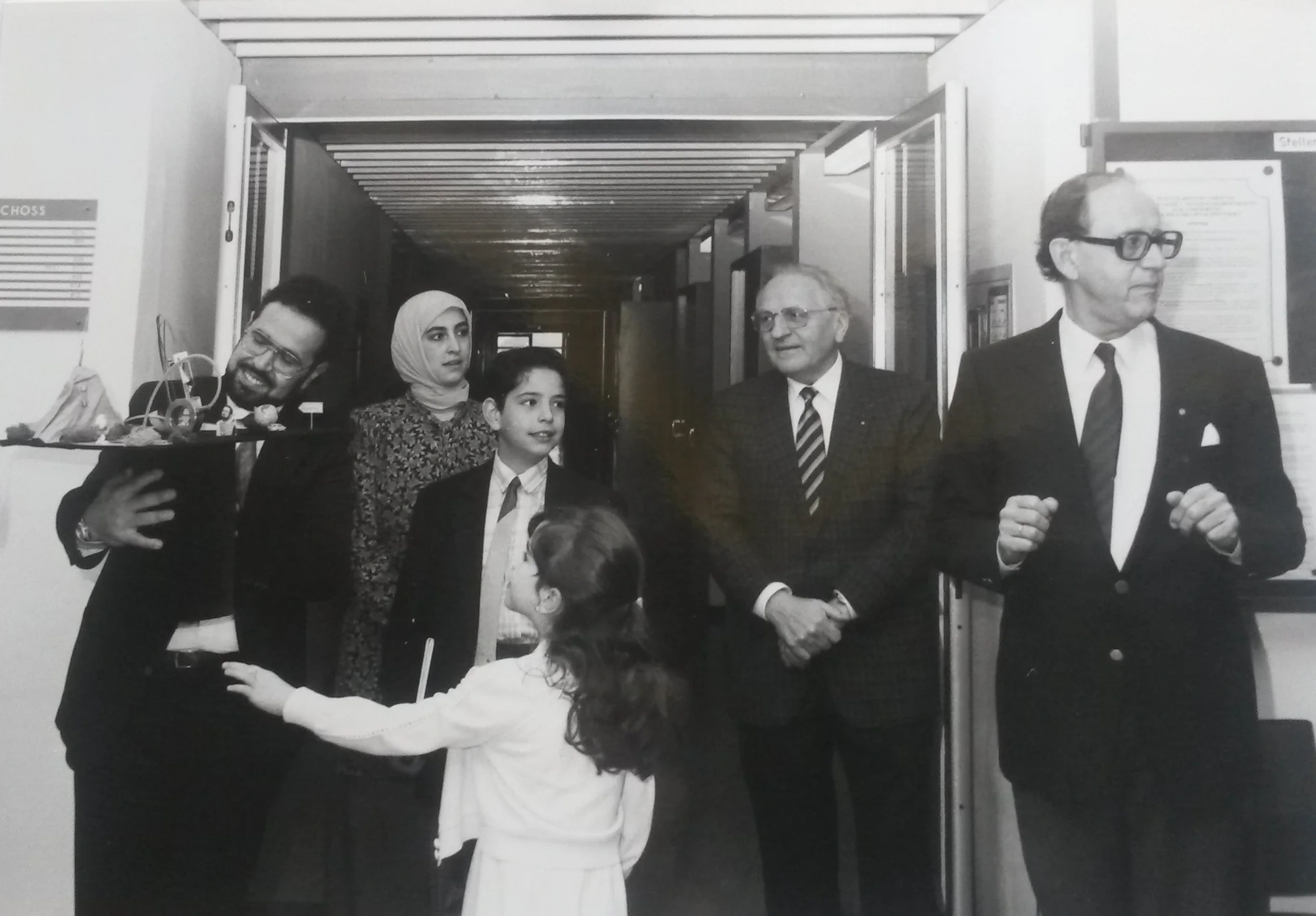
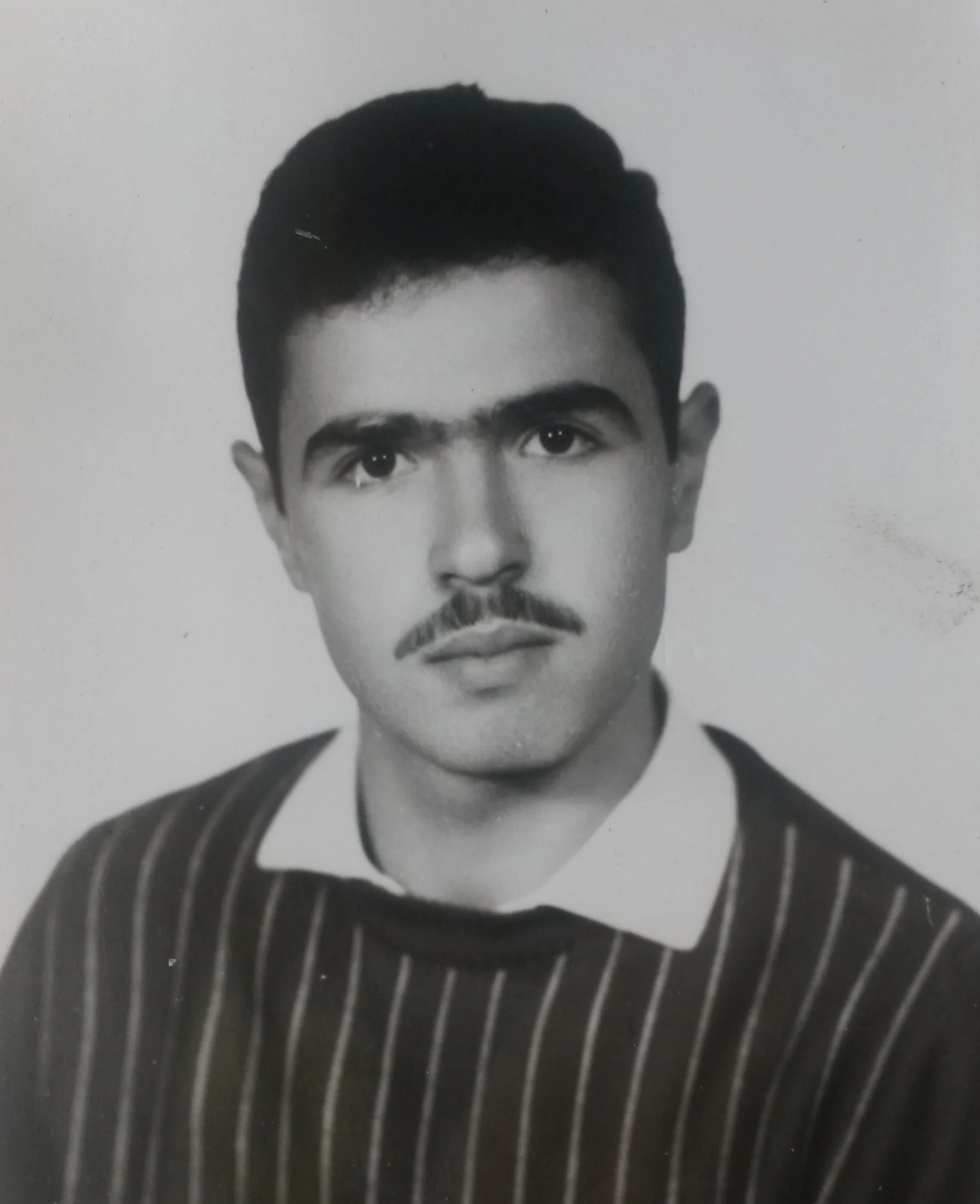
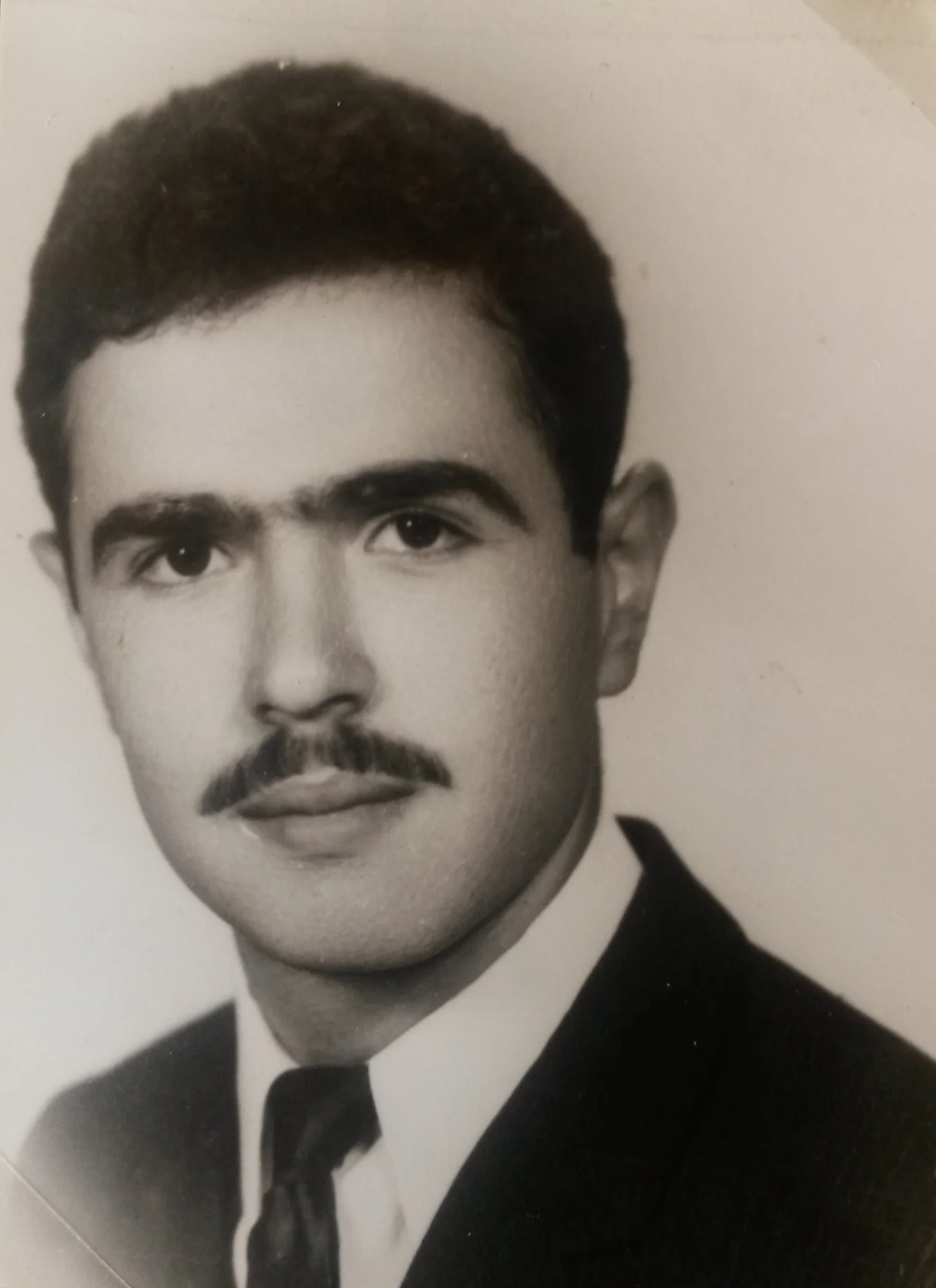
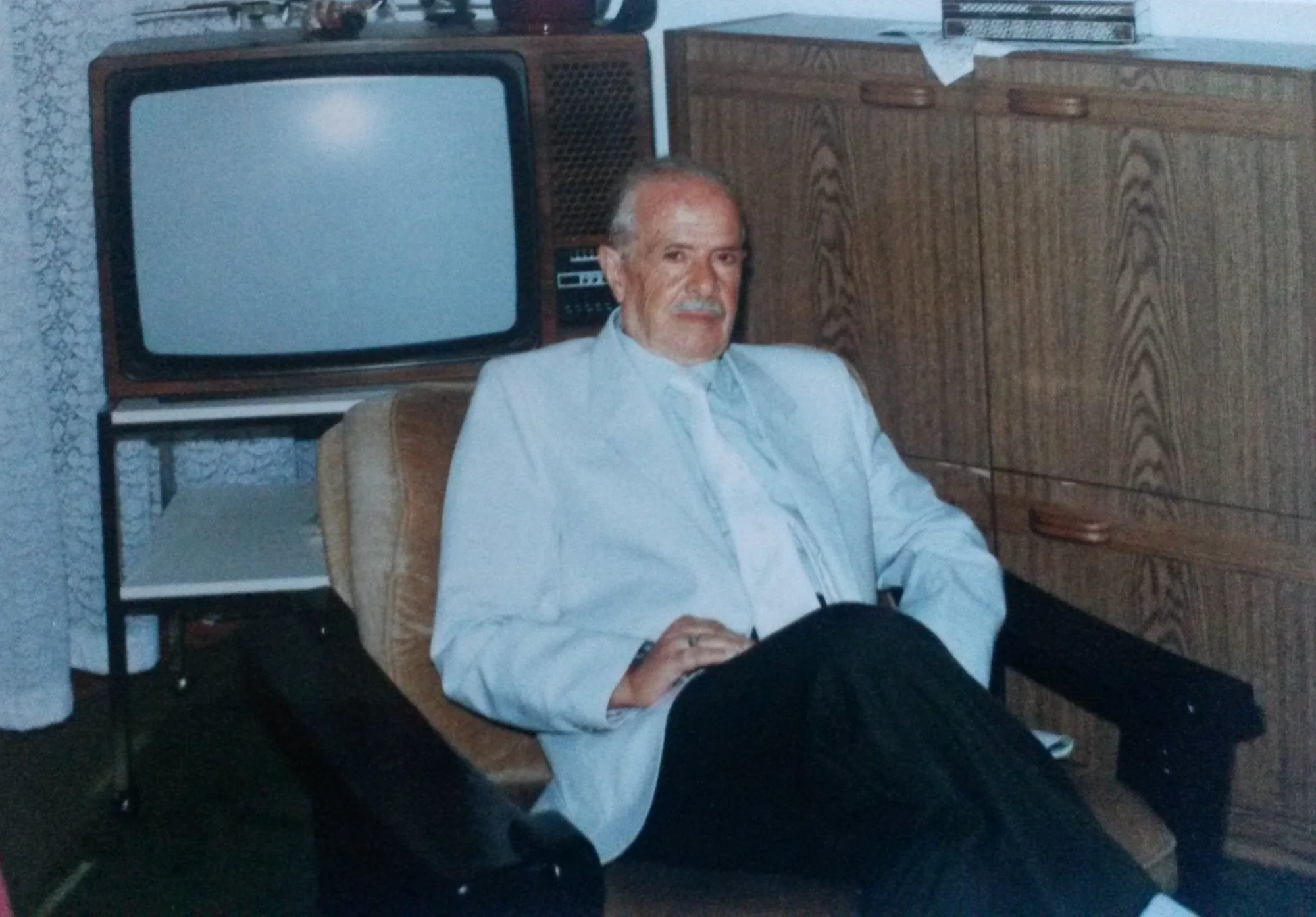
Old photographs from Adnan Wahhoud’s own collection.